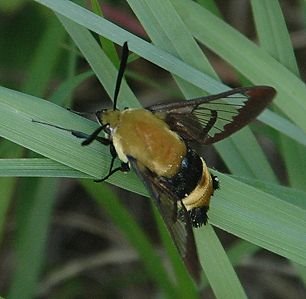
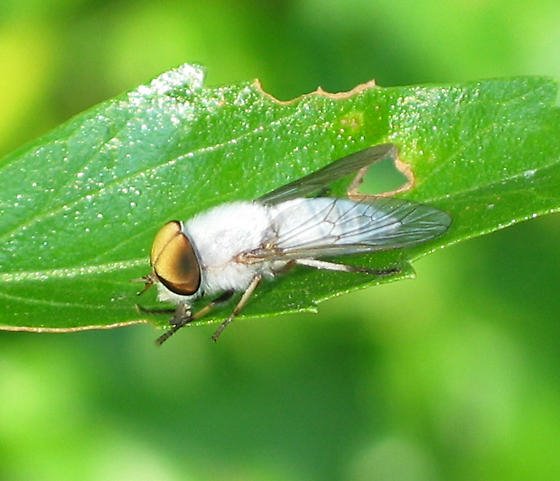
Tuesday, June 12, 2007

Sunday, June 10, 2007

Saturday, June 09, 2007

Mirid Bug Pics!


Heterotoma merioptera
♥ Red Bug Deraeocoris ruber

Friday, June 08, 2007

Mirid Bugs

Some of my favorite insects in this family are sooooo interesting in looks, colors, body structure, and of course their life cycles. Here are some links about some of the different species that I find amazing in their looks and what ever else makes them interesting to me and to any one else for that matter.

Hope you enjoy the links and learn something from them as I have! :)

Miridae - Heterotoma merioptera

Links to info and pics

http://bugguide.net/node/view/94168

http://www.bugsandweeds.co.uk/bugs.html


For the last one on this you'll have scroll down a bit to get to it but I'll save you the trouble of doing all that by re-typing what the passage says. It does have a picture on it and it mentions it too:

This small member of the Miridae ( Capsid ) family
( only about 5mm long ) is quite common in southern
England. It is to be found on a wide range of vegetation
( seen here on White Dead Nettle ) and feeds on aphids,
other small insects, and also flower buds and unriped fruits.

When viewed directly from above, it appears to have conventional thin
antennae but, a side view reveals the broad paddle-like second segment
which readily identifies it. A second feature is that it appears to glide
over green vegetation as its green legs merge into the background.


There you go for that one. More? Sure!

Red Bug - Deraeocoris ruber

♥ Cambridge 8 Jul 2001
♥ Subfamily Deraeocorinae. Tribe: Deraeocorini
♥ Length: 7mm
♥ "Common in southern England & Wales. Larvæ and adults feed on small insects, especially aphids; they're found on many plants and bushes, particulary nettles. The amount of black and red coloring in the adults varies greatly but the males are normaly much the darker sex."

- Southwood & Leston

Source of info: http://www.gwydir.demon.co.uk/insects/miroidea.htm#heterotoma

This site also mentions Heterotoma merioptera. Pics of both the bugs mentioned will be in the next entry. :)

Thursday, June 07, 2007

Agabus disintegratus

Agabus disintegratus The Disintergrated Diving Beetle:

Identification:

Adult:
Head and pronotum reddish; elytra yellowish to brown with 3 blackish longitudinal stripes on each elytron, the middle stripe interrupted near the anterior end ( a distinguishing feature ).

Larva: Whitish with sclerotized areas yellowish-brown; head subquadrate, wides near eyes: antennae 4-segmented; abdominal segments 6 to 8 completely sclerotized; segment 8 with siphon one-fourth length of segment; 2 cerci 2 segmented; femora longer then tibiae.

The rest of this pasaage can be found at www.bugguide.net/node/view/13577

Wednesday, June 06, 2007

Random Bug pics


No ID is needed because I posted the pics before.

Tuesday, June 05, 2007

Monday, June 04, 2007

Two-tailed Swallowtail - Papilio multicauda

Two-tailed Swallowtail Papilio multicaudata:

Size:

Wing span: 3 1/2 - 5 inches ( 9 - 12.7 cm )

Identification:

Upper surface of male forewing with narrow black stripes. Each hindwing has 2 tails hence it's commen name.

Range:

Western NA south from British Comlumbia, east to central Nebraska and central Texas, south through Mexico.

Habitat:

Foothill slopes and canyons, moist valleys, streamsides, woodlands, parks etc.

The rest of the info can be found at www.bugguide.net/node/view/2391

Sunday, June 03, 2007

Bugs In Korean

나비 Butterfly

나방 - Moth

모충 - Caterpillar

얘벌레 - Larvæ

More coming soon! 옴더빨리!

Saturday, June 02, 2007

Hestina assimilis


The Red Ring Skirt ( Hestina assimilis ) is the mystery butterfly I told you about some time ago. I just found what it is and lots of photos of it including some info! YAY! I found the following info on wikipedia and I will post more if there is more out there which I believe there is.

From Wikipedia:

Hestina assimilis, the Red Wing Skirt is a species of Nymphalid butterfly found in Asia. It is a large butterfly. The male is strongly territorial, always staying in high positions to defend it's territory.

And here is some info with pics of the larvæ, pupa, and adult:

http://ccs-hk.org/DM/butterfly/Nymphal/Hestina-assimilis.html

Friday, June 01, 2007

A New Month!

Aaaaaaaah it's June already! Time goes by so fast. I've been thinking about having some sort of Bug Of The Month thing. The post about it doesn't need to be on the first day of the month though so I have plenty of time to think about which one it would be. I'm also thinking of adding double post for the previous months because I didn't think of this until now.

As for what this month's bug will be I'm not sure yet but I'll think of something. In the mean time I'm going to go hunting.

Thursday, May 31, 2007

Elm Sawfly Cimbex americana


This is the adult Elm Sawfly Cimbex americana which I think is beautiful. And here's the link with the info since I don't feel like typing it over:

www.bugguide.net/node/view/37878

Wednesday, May 30, 2007

Cimbex americana ( Elm Sawfly )


I finally found out what species of Sawfly this is. This is the larvæ you're viewing. Pics of the adult will follow. They come in similar patterns and colors.

Tuesday, May 29, 2007

Bugs I Saw Today

These are all the bugs I saw today:

♥ 2 small green bugs
♥ 1 gnat
♥ LOTS of aphids
1 huge stink bug nymph

I have no idea what species it was. But it was all brown. I almost caught it too.

Monday, May 28, 2007

Butternut Wooly Worm


The Butternut Wooly Worm is the larvae of a sawfly. The name applies to waxy covering on the larvae and what they feed on butternut, Black Walnut, and Hickory. I love them to death because I think they look so cute! Hope I see one some day. More info can be found at Bugguide.

Sunday, May 27, 2007

Cutie!


This is a Cimbicid Sawfly. The species being Zaraea if I'm not mistaken according to Bugguide where I got the photo from. Once I find out what species this is info shall come. In the mean time isn't it cute? ♥

Saturday, May 26, 2007

Sawfly pics! 3


Tenthredo verticalis
Tenthredo fernaldii

Friday, May 25, 2007

Sawfly pics! 2


Arge humeralis
♥ Black and yellow sawfly Allantus viennensis mimics mason wasp ( Vespidae: Eumeninae )!

Thursday, May 24, 2007

Sawfly pics!


Photos from Bugguide. I have no clue as to what species these are.

Wednesday, May 23, 2007

Sawflies

Info taken from Bugguide:

The larvæ of many sawfly species resemble the caterpillars of butterflies and moths, but can be distinguished by the fact that they never have fewer then six pairs of prolegs ( Lepidopteran caterpillars never have more then 5 pairs ). Other sawfly larvæ are legless and may even be slimy to the touch, leading early entomologist to call them "slug worms".

The adult sawflies have four-wing and may closely resemble other hymenopterans, but lack the characteristic "wasp-waist" between the thorax and abdomen. Females typically have conspicuous ovipositors that may look fearsome, but these are never used as stingers.

Food:

Adult sawflies typically feed on nectar or pollen and most sawfly larvæ feed openly on leaves. Some larvæ that are legless bore into the stems or mine into the leaf tissue. A few sawfly species have been reported to be carnivorous or parasitic.

And pics will be coming! =)

Tuesday, May 22, 2007

Bugs!

Yes this is the 3rd interuption of my Hymenoptera entries because I went out today and I found a whole lot of bugs and a bonus.....

♥ 3 green stink bug nymphs. They were very tiny.

♥ 2 winged aphids. I think they were black bean aphids.

♥ 8-7 small grey bugs. I have no idea what they were

♥ 1 ant

♥ 2-4 red velvet mites

♥ 1 fly

1 pill bug!

I took it home and took 2 pics of it on a sheet of paper. Then I played with it a bit and then let him go outside where I found him. He was cute. =)

Monday, May 21, 2007

A Brief Innteruption 2

Just a few minutes ago a moth of some type came out of no where and landed on my computer screen. I went searching for the mini disposable camera I keep on my desk for this exact reason. Unfortunately these 2 things happened:

♥ The moth flew away after about 5 seconds :(

♥ I couldn't find my camera so I had to open another one.

The reason why I wanted a photo was because I didn't know what kind it was and I wanted get a photo of it so I could submit it to bugguide for them to ID it. I hope I see it again and get a decent photo.

Sunday, May 20, 2007

A Brief Innteruption

Here are 2 spider books I just found out about:

♥ A Golden guide - Spiders and their kin
♥ The Book of the Spider Paul Hillyards

These are going on my wish list! =)

Saturday, May 19, 2007

Hornets

You've got to read this! This is mad!! www.vespa-crabro.de/hornets.htm

Friday, May 18, 2007

Broad Jump Wasp


There doesn't seem to be much on this beautiful wasp. I'll keep looking and inform you of what I find.

Thursday, May 17, 2007

Wasp pics


Mischocyttarus flavitarsis

Wednesday, May 16, 2007

Wasps


Get ready to see some really cool looking wasp like the one in this photo which is a Spider wasp Entypus unifasciatus. And it's a female.

Monday, May 14, 2007

Ichneumon Wasps


I found this really cute Ichneumon wasp pic and I wanted to share it with you. I don't know the species though but isn't it cute?

Sunday, May 13, 2007

♥HAPPY MOTHER'S DAY!♥


HAPPY MOTHER'S DAY!

Enjoy these 2 Viceroy butterflies mating and becoming parents! =P The one with the wings spread out is the female/ the mommy to be. Hope you all have a great day!

Saturday, May 12, 2007

Interesting Ichneumon Wasp


I found this photo of a really cool looking Ichneumon wasp on Bugguide. They say it's an Arotes sp. but they're not sure what species. And it's a female note the long HARMLESS egg laying tube called and ovipositor present in female ichneumon wasps.

Disclaimer: I didn't take this photo. I don't own this photo. This photo is not mine.

Source: www.bugguide.net/node/view/16333

Friday, May 11, 2007

Ichneumon Wasp

Giant Ichneumon Wasps Megarhyssa sp.

http://bugguide.net/node/view/4158 Pics of different species and info.

Thursday, May 10, 2007

Pics


Ichneumon Wasp of some sort.

Wednesday, May 09, 2007

Bees #2


Bumble bee ( Bombus sp. ).

Tuesday, May 08, 2007

Purple Sawfly Larvæ?!


Apparently so since this pic proves it! Sawflies which are a member of Hymenoptera have caterpillar like larvæ. The larvæ change into wasp like winged insects called Sawflies. The larvæ come in a variety of colors and patterns but I've never seen them in purple. It must've been something they ate because originally they're not purple. This is got me thinking "what did they eat to become purple" ( which is one of my favorite colors btw )?

And it also got me thinking "what will the adults look like?" Alot of questions are in my mind right now. Photo from Bugguide. I'm a member of Bugguide so if you see any comment on there with my name underneath you'll know it's me! =)

Monday, May 07, 2007

Hymenoptera

I'm going to start to do some stuff on Hymenoptera ( Bees, Wasp, and Ants ). It's one of my favorite insect orders and I know quite a few things about them. I also plan to learn more by doing research and posting what I find here. I hope you enjoy it! So next post will be the first!

Sunday, May 06, 2007

Saturday, May 05, 2007

Syntomeida epilais


When I first saw a picture of this moth I though it was from a tropical country but it lives in Florida! And I posted a pic of it before too not knowing what it was.....now I know! The following info was taken from Bugguide. Enjoy reading this!

Common Names:

Oleander Moth, Polka-dot wasp moth

Identification:

Day-flying. Adult moth largely dark metallic blue, with white spots on the wings and body and red tipped abdomen. Catterpillars to about 2", orange with black tuffs of hair.

Range:

Neotropical: all parts of FL except NW.

Habitat:

Caterpillars are a common pest of Oleanders and adults are often found nectaring near by.

Season:

Year round.

Thursday, May 03, 2007

Moths #2


I found this pretty moth on Bugguide. I've heard of it but I've never seen the adult moth until now. The moth I'm speaking of is the Spotted Oleandar Moth Empyreuma affinis. I came across it while Google searching stuff on moths. The one shown here is a male. I really think they're pretty.

Unfortunately there doesn't seem to be that much on this moth. All I coud find was the info below:

Range: South Florida

Food: Oleandar

Remarks: Apparently an introduced species from the Carribean.

Similar Species: Syntomeida epilias I'll try and see if I can find anything on this moth tomorrow.

Wednesday, May 02, 2007

Moths


Another beautiful Ctenucha moth of some sort. I'll see if I can find some info on it.

Tuesday, May 01, 2007

Naughty Spiders

I just found out about these! Look here they are amazing!

Monday, April 30, 2007

Australian Tiger Moths #2


Ceryx sphenodes: The adult of this species is black with transparent "windows" in the wings and has a black and yellow abdomen. It has a wingspan of about 2 cms. The hind wings are only about half the span of the forewings. The adult moths of the species in the genius Ceryx are similar to those of the closely related Amata but the hind wings lack some of the veins present in the hindwings of Amata species, such as Amata nigriceps.

And that's all I could find about this moth. The info came from here.

Sunday, April 29, 2007

Bizarre Looper Moths


Yes this is what they're called. 2 species are found in Australia Anisozyga metaspila and A. pieroides. Info can be found at:

www.geocities.com/brisbane_loopers/BizarreLooper.htm

www.geocities.com/brisbane_loopers/BizarreLooper2.htm


The caterpillar in the photo is of A. metaspila.

Saturday, April 28, 2007

Australian Tiger Moths


Orange Spotted Tiger Moth ( Amata annulata ): This moth is common in the Brisbane bush. You can easily find them resting or flying openly in the Eucalyptus forest. Thier wings are black with yellow-orange spots. It has black and yellow band on its body. The caterpillar is black in color and covered with brown hairs. Photo and info taken from:

www.geocities.com/brisbane_moths/OrangeSpotted.htm

Friday, April 27, 2007

Buggies

I'm in love oooooooooooooh look at it! It's adorable! It's some sort of Arctiidae caterpillar and I wanna know more about it so if any one knows please tell me! Thank you!

Thursday, April 26, 2007

Tropical Swallowtails

Here is some stuff I found on some swallowtail butterflies.

Fluminense Swallowtail ( Parides ascanius ) :

Go here

Hahnels Amazonian Swallowtail ( Parides hahneli ) :

Go here

There are more but the URL's are too long to go here to see the rest of them.

Wednesday, April 25, 2007

Interesting article on spiders#2

Never thought I'd be typing another one of these in a while. My mom gave me a news paper article on spiders today. It was interesting. I'll see if I can scan it.

Tuesday, April 24, 2007

Mystery Butterfly


I have another mystery butterfly. The site I got the picture from said the butterfly was Graphium doson. So when I looked it up on the Google Images Search I found a completely different looking butterfly!!!!!! So I know this butterfly isn't a Emerald Swallowtail, and I know it's none of the Graphium species. So what is it? Can any one tell me?

Monday, April 23, 2007

I Love Tiger Moths


Arctiidae is one of my favorite moth families because the caterpillars are soooooooooo cute and fuzzy and the adult moths are soooooo colorful. I just found out about Gnophaela sp. "Police Car Moths" strange name I know and they're so pretty looking. The one shown here is G. vermiculata.

Photo from www.bugguide.net

Saturday, April 21, 2007

100th Post!


So why not celebrate it with.....MILLIPEDES AND CENTIPEDES! The word 'centipede' means "100 legs" which is strange because centipedes don't have 100 legs. They have around 30-50. And the word 'millipede' means "1000 legs" but millipedes don't have 1000 legs either. They have around 75 pairs. But some species have 100 or more!

The pics show a centipede ( bottom ) and a millipede ( top ) Not sure on the species though.

Friday, April 20, 2007

Thursday, April 19, 2007

Beetles#2

Ok so now you know approximately how many beetles are out there. But here's the thing, new ones are being discovered every day. Right now as we speak insects and spiders that have never been seen/ID'd are being seen/ID'd right now.... So any way I'll think I'll do some research on somethings and get back to this post.

For now see ya!

Wednesday, April 18, 2007

Beetles#2


It's about time that I do something about the biggest insect order there is: Coleoptera - Beetles. They're are over 350,000 species of beetles worldwide and they're every where! They come in all sizes and colors and shapes. Some are helpful to mankind some are not. And I love them! And here are some photos of them.

Note: That these aren't my photos they're just part of my collection of photos of insects and spiders the I found online.

Pretty right? More later!

Tuesday, April 17, 2007

Pretty Moth #2


One of the many Lichen moths! This is one of the most prettiest ones I've seen!

Saturday, April 14, 2007

Clearwing moth Caterpillars

I found a picture guide on the life cycle of the snowberry clearwing moth here.

Friday, April 13, 2007

R.I.P

One of my beloved hermit crabs passed....I love you

R.I.P

Summer of 2006- 04-10-07.....

Thursday, April 12, 2007

Clear Wing Moths


I love these! These are the moths that that mimic bees and wasp. The one shown here is a Snowberry clearwing ( Hemaris diffinis ). Photo from Bugguide.net

Wednesday, April 11, 2007

Clear Wing Moths


Another Clearwing moth. Alcathoe caudata Clematis Clearwing moth. Photo from bugguide.

Tuesday, April 10, 2007

Announcement

I WENT THROUGH A GREAT ORDEAL YESTERDAY AND I DON'T KNOW WHEN I'LL BE POSTING

Sorry about that but it's true. I might post tomorrow but I don't know. I really feel terrible because of last night and all the worrying/crying I did I'll explain when I'm feeling better.

Sunday, April 08, 2007

HAPPY EASTER!


WISHING EVERYONE A HAPPY EASTER!

Saturday, April 07, 2007

Beautiful Horse Fly

Yes this is a horse fly. Golden eye white body and seethrough wings. Sounds like a fantasy right? Wrong! It's real! The photo is on Bugguide. To find it ( because I don't feel like typing another link right now ) just type in the search engine "White Horse Fly" and tada there you go!
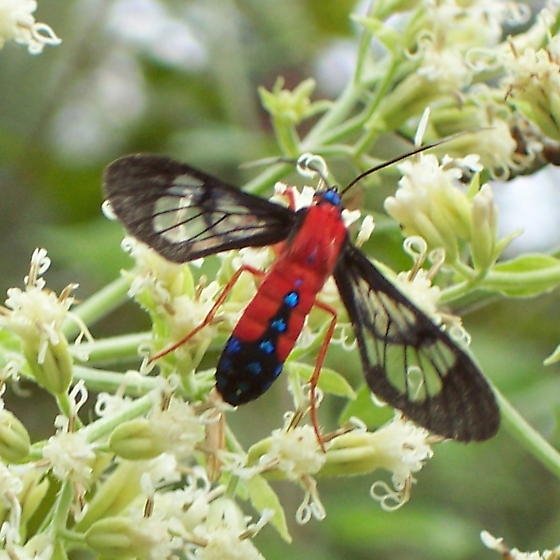
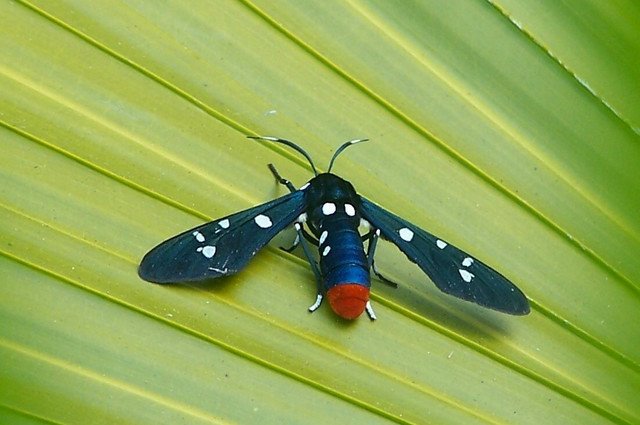
And this still bites.....at least it looks good doing it! LOL!

Friday, April 06, 2007

Faithful Beauty Moth Info

Common Names:

Faithful Beauty Moth, Uncle Sam Moth

Latin Name:

Composia fidelissima

Numbers:

There are three other species of Composia but only C. fidelissima occurs in the U.S. ( I will find out about the rest trust me! ^^ )

Size:

Wingspan 4.8-6.4 cm

ID:

Distinctive day-flying moth found in South Florida.

Habitat:

Tropical hardwood thickets ( hammocks )

Season:

All year

Food:

Adults take nectar, Larval host:

Devil's Potato ( Echites umbellata )

Oleander ( Nerium oleander )

Leafless Swallowwart ( Cynanchum scoparium )

Baybean ( Canavalia rosea )

Info taken from www.bugguide.net

Thursday, April 05, 2007

Beautiful Moth

Faithful Beauty Moth

Wednesday, April 04, 2007

Wasp Or Moth?#3


Now this is a wasp! Compare the 2 images in yesterday's post and todays post.

Tuesday, April 03, 2007

Wasp Or Moth? #2


You -> OMG! That's HUGE wasp get it away from me!

Me -> Ha ha ha ha! That's a moth! A Texas Wasp Moth ( Horama panthalon texana )!

You -> You sure? That looks like a freaking wasp to me!

Me - > Yeah, wasp have jointed anntena while moths have straight or feathery ones. Wasp don't have those. Moths have colored scales all over their bodies and on the wings and....

You - > ...wasp don't?

Me - > Yes! You got it.

The above would be a typical convo with my beloved mother! LOL! But every thing said above by me is true! Not that a person would stick around to find that out! Also:

* In the pic you can see the moth's proboscis wasp don't have them out in the open like that theirs is in between the mandibles if I'm not mistaken. And they look different too.

* Wasp have stingers and moths don't :P

* The wings of a wasp are always seethrough even though they're not always clear.

Monday, April 02, 2007

Wasp Moths


Scarlet bodied wasp moths ( Cosmosoma myrodora ) are one of the most prettiest moths that mimic wasp I've seen so far that live in North America. Bugguide has some pics of both the adults, larvæ, and pupæ on the species guide page which can be found here. I love these things! Info coming soon!

Sunday, April 01, 2007

Wasp Or Moth?

This one is a moth. Isn't pretty? When it's flying it looks like a wasp because all you see is the red part of the abdomen. I'll try to find out more on these.